
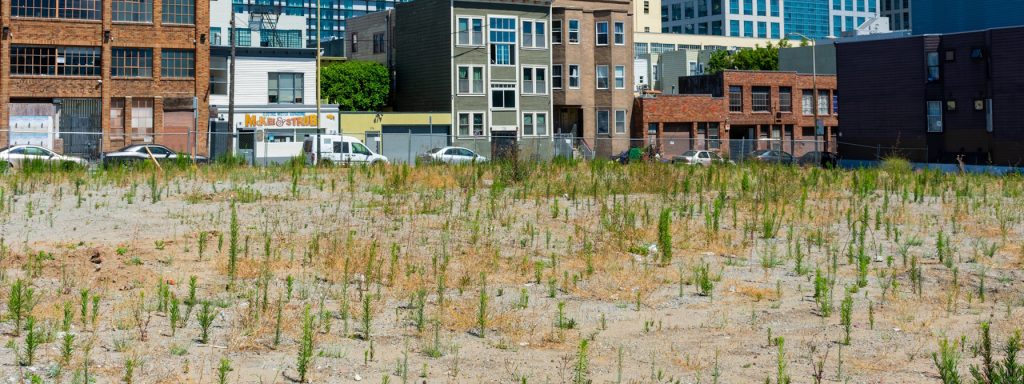
The Vacant-Lot Decision: Hold, Build, or Sell in Post-SB 8 Los Angeles
A vacant lot in Los Angeles represents a decision you are making every month, whether you realize it or not.
It costs you property tax and possibly loan interest, produces no income or depreciation, and is affected by rules governing what you can build and what you may be required to replace under SB 8.
Here is the tax position for each option: hold, build, or sell.
Holding: Stop Wasting the Carrying Costs
Land does not depreciate. For an individual owner, property taxes on an investment lot also compete for space under the state and local tax deduction cap on a personal return.
There is a useful solution that many owners never hear about: a Section 266 election.
This allows you to capitalize carrying costs by adding property taxes and certain interest expenses to the lot’s tax basis, rather than losing the value of the deduction.
The election is made annually with your tax return. A smaller taxable gain later may be better than a wasted deduction today.
Building: The Meter Starts Before the Shovel
Once you decide to build, the lot becomes a development project.
Project costs must generally be capitalized, interest incurred during construction is usually added to the property’s basis rather than deducted immediately, and the record-keeping system you establish now will determine how cleanly a future cost segregation study can be completed.
SB 8 affects what you can build on the lot and what obligations may arise from its previous use. That is a land-use issue covered in our companion article.
Both the land-use and tax conversations should take place before you commit capital to the project.
Selling: Investor or Dealer?
This is the question that may determine your tax rate.
Sell the lot as an investment held for appreciation, and the profit may qualify for capital gains treatment. A 1031 exchange may also be available.
Subdivide the land, improve it, and market the individual lots, and the IRS may begin to view you as a dealer selling inventory.
That can mean:
- Ordinary income tax rates
- No access to a 1031 exchange
- Different reporting and tax obligations
The distinction is based on your conduct, intentions, and pattern of activity. It is much easier to remain on the correct side of the line through advance planning than to argue your position during an audit.
Remember the city’s share as well. A vacant-lot sale above the Measure ULA threshold is subject to the transfer tax in the same way as other property sales.
Can I Deduct the Property Taxes on My Vacant Lot?
On your personal return, the taxes compete with other state and local taxes under the applicable deduction cap.
A Section 266 election allowing you to capitalize the taxes into the property’s basis may be the better option.
The election must be made with a timely filed tax return.
Can I Complete a 1031 Exchange From a Vacant Lot?
Yes, provided the land was held for investment.
Land held as dealer inventory does not qualify. Determining which category applies is the key issue.
Does Building on the Lot Change My Property Tax?
Yes.
The value of the new construction will generally be assessed and added to the property’s taxable value. The land itself retains its existing assessed base.
Does SB 8 Apply to My Lot?
It depends on the site’s history, particularly whether housing previously existed on the land.
This requires a separate land-use analysis and should be completed before you set a price, design the project, or commit significant funds.
Sitting on a Vacant Lot?
Have us price all three paths.
Back to Advise RE Resource Center articles list
Want our real estate advice higher in your Google results?
Tell us what you own, and where you're headed.
Cross-Border Real Estate Tax Services in California
7 Criteria for Choosing a Real Estate Tax Planning Advisor for International Deals in California
Cross-Border Real Estate Tax Services in California: A Complete Comparison for Investors and Developers
What Triggers A Property Tax Reassessment in LA County
Running a 1031 Exchange Against Measure ULA